
What is Beverage production ?
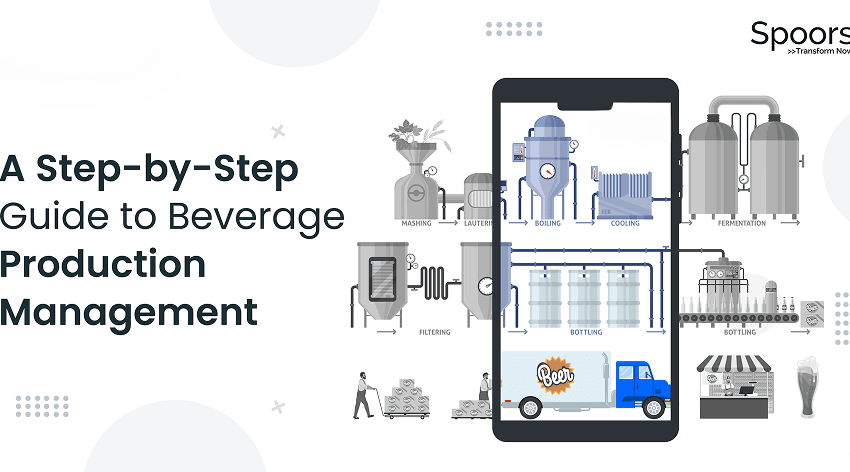
Beverage production management refers to the process of creating various types of beverages, which are liquid substances consumed for hydration, refreshment, or enjoyment. Whether it’s a refreshing soda or a fine wine, beverages hold a special place in our lives. Beverage production involves several stages, which can vary depending on the type of beverage being produced. Here is a general overview of the process:
For businesses involved in beverage production, efficient management is essential. This is where beverage inventory management software comes into play. This software allows you to keep track of raw materials, ingredients, and finished products at every stage of production. It helps streamline operations, reduce wastage, and ensure that you always have the right ingredients on hand to meet customer demands.
- Ingredients Procurement: Raw materials and ingredients are sourced, including water, flavoring agents, sweeteners, fruits, vegetables, herbs, grains, hops (for beer), and other components specific to the beverage being made.
- Preparation and Mixing: Ingredients are measured and mixed according to specific recipes or formulations. This stage is crucial for achieving the desired flavor, consistency, and quality of the beverage.
- Processing: Depending on the type of beverage, processing steps such as heating, cooling, filtering, and pasteurization might be required to ensure the safety and stability of the product.
- Fermentation (for Alcoholic Beverages): In the case of alcoholic beverages like beer, wine, and spirits, fermentation is a key step. Yeast or other microorganisms convert sugars into alcohol and carbon dioxide, resulting in the production of alcohol.
- Carbonation (for Carbonated Beverages): If the beverage is intended to be carbonated, carbon dioxide gas is added under controlled conditions to achieve the desired level of fizziness.
- Packaging: The finished beverage is packaged in containers such as bottles, cans, cartons, or kegs. Packaging materials and methods are chosen based on factors like product preservation, convenience, and marketing considerations.
- Labeling and Quality Control: Labels containing product information, nutritional facts, and branding are applied to the packaging. Quality control measures are implemented to ensure that the product meets safety, quality, and consistency standards.
- Distribution: Packaged beverages are transported to distribution centers and then to retailers, restaurants, bars, and other points of sale where consumers can purchase them.
- Consumption: The final stage is when consumers purchase and consume the beverages. This might involve serving, pouring, or mixing the beverages as desired.
Beverage production can encompass a wide variety of products, including:
- Non-alcoholic beverages: Water, fruit juices, soft drinks, energy drinks, tea, coffee, and more.
- Alcoholic beverages: Beer, wine, spirits (such as vodka, whiskey, rum, gin), liqueurs, and cocktails.
The beverage industry is diverse and dynamic, with constant innovation in terms of flavors, ingredients, packaging, and production methods. The production process is carefully controlled to ensure consistent quality and safety while catering to the evolving tastes and preferences of consumers. With the integration of advanced technologies like beverage automation software, the industry is poised to achieve even greater efficiency and precision in meeting consumer demands.
Addressing Sustainability Challenges in the Beverage Manufacturing Sector
Sustainability has become a critical focus in today’s beverage manufacturing sector due to heightened environmental awareness, changing consumer preferences, and the need for responsible business practices. This overview delves into the key sustainability challenges that the beverage manufacturing industry faces, and examines strategies, innovations, beverage production software, and beverage supply chain management software that are being employed to address these challenges.
Water Usage and Conservation:
- Beverages often require substantial amounts of water for production, leading to concerns about water scarcity.
- Balancing water-intensive processes like cleaning and production with sustainable water management practices.
- Implementing water recycling, purification, and conservation measures to minimize water footprint.
Packaging Waste and Environmental Impact:
- Single-use packaging contributes to plastic pollution and waste in landfills and oceans.
- Finding eco-friendly packaging alternatives and reducing packaging material usage.
- Developing recycling and waste management programs to promote circular economy principles.