
What is Audit Management?
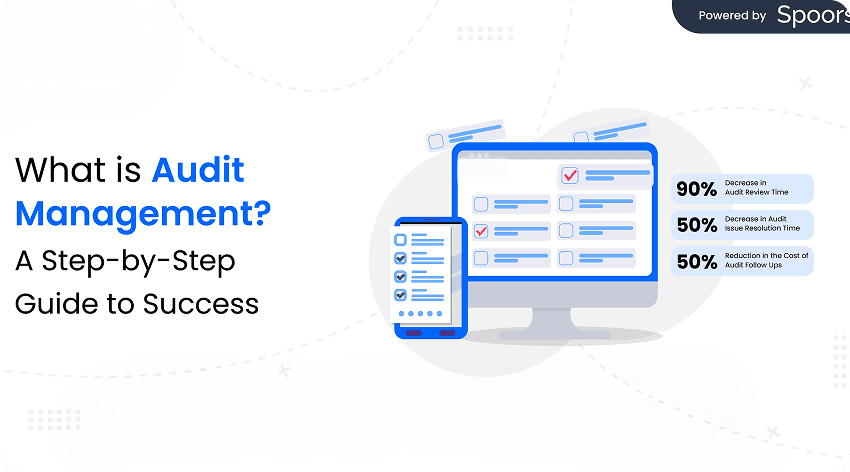
Audit management involves the oversight, governance, and implementation of established procedures to effectively manage an audit. The audit process encompasses various stages, including preparation, execution, reporting, and follow-up procedures. To excel in an audit, teams must operate efficiently, and without a streamlined audit management tool, preparation and follow-up procedures can quickly become overwhelming.
While it’s possible to manage the audit process manually using spreadsheets, lengthy meetings, and emails, automating audit workflows can eliminate the common challenges associated with traditional audit preparation methods. Audit management software plays a crucial role in enhancing audit preparations by simplifying tasks such as documentation storage, form creation, and third-party risk assessment follow-ups.
The increasing complexity of data privacy laws and security mandates has necessitated improved methods for audit preparation and evidence collection. This addresses the intricate requirements and ensures the accuracy and completeness of implemented security processes, making Audit workflow management software an indispensable tool in today’s regulatory landscape.
What are the Two Types of Audits in GRC?
Within the realm of audit management in the Governance, Risk, and Compliance (GRC) field, there are two primary types of audits: internal and external.
The distinction between these two types lies in the source and scope of the audit, as well as the independence of the auditors involved. Internal audits play a crucial role in conducting gap analyses and identifying areas that require improvement within the organization. On the other hand, external audits offer an independent evaluation of compliance with external standards. Both internal and external audits contribute significantly to overall risk management, governance, and compliance efforts.
When considering an Audit planning and scheduling software, it is essential to find a solution that seamlessly caters to both external and internal audit requirements within a single product. This ensures a comprehensive approach to managing audits and aligns with the holistic nature of GRC initiatives.
Audit Management: Steps to Success
Effective audit management is a critical component of organizational success, ensuring compliance, mitigating risks, and promoting operational excellence.
- Define Clear Objectives: Begin by clearly defining the objectives of your audit. Understand the purpose, scope, and desired outcomes to align the audit with organizational goals and compliance requirements.
- Establish a Robust Framework: Develop a comprehensive audit framework that outlines the processes, methodologies, and standards to be followed. A well-defined framework provides a structured approach to conducting audits.
- Risk Assessment: Conduct a thorough risk assessment to identify potential areas of concern. Understanding risks helps in prioritizing audit focus and resource allocation.
- Effective Planning: Plan the audit meticulously, considering timelines, resource requirements, and potential challenges. A well-thought-out plan ensures a smooth audit process from initiation to completion.
- Leverage Technology: Implement audit management software to streamline processes, automate workflows, and enhance collaboration. Technology tools simplify data analysis, documentation, and reporting, reducing manual Spoors and errors.
- Skilled Team Selection: Assemble a skilled and diverse audit team with expertise in relevant areas. A well-rounded team enhances the audit’s effectiveness and brings different perspectives to the assessment.
- Thorough Execution: Execute the audit plan diligently, adhering to the established framework and utilizing technology tools. Ensure that audit activities are conducted according to the defined scope and objectives.
- Documentation and Analysis: Maintain detailed documentation throughout the audit process. Analyze findings against established criteria, identifying areas of compliance, improvement, or potential risks.
- Clear Reporting: Prepare clear and concise audit reports that communicate findings, recommendations, and action plans. Transparent reporting facilitates understanding and supports decision-making at various organizational levels.
- Continuous Improvement: Foster a culture of continuous improvement by leveraging audit insights. Use feedback from audits to enhance processes, update policies, and strengthen overall organizational resilience.
- Training and Awareness: Provide ongoing training to the audit team and relevant stakeholders to ensure they stay informed about evolving regulations, best practices, and audit methodologies.
- Regular Auditing Schedule: Establish a regular auditing schedule to maintain consistency in assessing compliance and risk management. Regular audits contribute to proactive risk mitigation and continuous improvement.
By following these steps, organizations can create a robust audit management system that not only ensures compliance but also drives improvement, innovation, and overall success.
Effortlessly Elevate Field Audits and Investigations with Spoors No-Code Audit Management Software
Spoors’ cutting-edge No-Code Audit management software for small businesses and Audit management software for large enterprises is a game-changer in the realm of field audits and investigations.
- Streamlined Workflows: Spoors’ intuitive design allows users to create, customize, and optimize audit workflows without coding expertise.
- Real-time Collaboration: Foster collaboration among field audit teams with Spoors’ real-time communication features.
- Dynamic Task Management: Efficiently allocate responsibilities and ensure every team member contributes to audit success.
- GEO Intelligence: Utilize location-based insights to optimize routes, allocate resources strategically, and improve decision-making.
- Online and Offline Functionality: Capture audit information seamlessly, even in areas with limited internet connectivity.
- Comprehensive Reporting: Generate detailed audit reports automatically, reducing manual Spoors and increasing accuracy.
- Audit Trail and Compliance: Maintain accountability with a complete audit trail that records every action and change.
- User-friendly Interface: Enable quick adoption and efficient use through an intuitive and easy-to-navigate interface.
- Customizable Forms: Create audit forms tailored to specific organizational requirements and industry standards.
- Efficient Resource Allocation: Optimize resources based on real-time insights into high-risk and high-impact areas.
Spoors’ No-Code Audit Management Software revolutionizes the way field audits and investigations are conducted, helping organizations achieve greater efficiency, compliance, transparency, and operational success.